

YOU CAN ALTERNATIVELY DOWNLOAD THE NEWSLETTER IN PDF FORMAT HERE (8.16 MB)
The maritime industry has always been built on resilience. Behind every cargo delivered, every vessel operating safely, and every supply chain kept moving across continents are seafarers who continue to carry the weight of global trade under increasingly demanding conditions.
Today, the challenges facing our industry are more complex than ever. Geopolitical tensions, operational disruptions, evolving regulations, crew change difficulties, fatigue risks, and long periods away from home continue to test the strength and endurance of our people at sea. Yet despite these pressures, seafarers remain committed to their responsibilities with professionalism, discipline, and determination.
At OSM Thome, we recognise that the human element remains at the centre of everything we do. Operational excellence is not achieved through systems and processes alone. It is driven by people — by the competence, adaptability, resilience, and commitment of our crews onboard and the teams ashore supporting them every day.
This edition highlights many of the important conversations shaping our industry today. From Lisa Holum’s article on Operational Excellence Under Pressure, which reflects on how seafarers continue to maintain high standards in demanding environments, to discussions on carrying world trade through conflict and managing crew changes amid global tensions, these topics reflect the realities faced by our industry and the people behind it.
We also recognise the growing contributions of women across maritime through our feature on Women Surveyors, while our stories on health, wellness, and the fitness journeys of our employees reinforce the importance of supporting both physical and mental wellbeing across our organisation.
Beyond these discussions, this edition also celebrates important milestones across OSM Thome. Our successful vessel take overs demonstrate the strength of collaboration between our onboard and shore teams, while our participation in global industry events and conferences, including Posidonia, continues to strengthen partnerships and reinforce our commitment to Leading Excellence at Sea.
As an industry, we must continue investing not only in technology, compliance, and operational performance, but more importantly, in people. The future of shipping will continue to depend on the dedication, competence, and wellbeing of seafarers around the world.
To all our seafarers, colleagues, partners, and families, thank you for your continued trust, commitment, and contribution to our industry. Together, we continue carrying world trade forward.
BEHIND EVERY VOYAGE IS A SEAFARER
By Julia Anastasiou, Chief Crew Management Officer
One thing I have learned throughout my years in Crew Management is that behind every vessel, every operation, and every successful voyage are people making daily sacrifices to keep the industry moving.
As we celebrate International Day of the Seafarer, it is important to recognise not only the work our seafarers do, but also the realities they face every day at sea. Long months away from family, demanding operations, changing regulations, fatigue, uncertainty, and the pressure of maintaining safe and efficient operations are all part of life onboard. Yet despite these challenges, seafarers continue to show professionalism, resilience, and commitment in a way that deserves real recognition.
For me, supporting seafarers has always gone beyond deployment and vessel requirements. Crew management is about people. It is about understanding that every seafarer has a story, a family waiting at home, personal ambitions, challenges, and responsibilities beyond work.
This is why initiatives focused on crew welfare remain very important to us at OSM Thome. Through programs like the Seafarers Family Club, we continue finding ways to stay connected not only with our crew, but also with the families supporting them from home. Sometimes, even simple engagement and communication can make a meaningful difference for someone spending months away at sea.
We also continue investing in training, workshops, crew conferences, and development programs because we believe our responsibility is not only to prepare seafarers for today’s operations, but also to support their long term growth and wellbeing throughout their careers.
I am also proud to see stronger conversations around inclusion and support systems within the industry. Through initiatives such as Women’s Desk and human enablement, we continue working towards creating an environment where people feel supported, heard, and respected regardless of rank, background or gender and have a clear purpose and direction with their OSM Thome community.
What many people outside the industry do not always realise is the responsibility seafarers carry every single day. They are not only operating vessels, they are managing risks, protecting lives, ensuring cargo moves safely across the world, and helping keep global trade running under very challenging conditions.
The human element of shipping will always matter. Technology will continue to evolve, operations will continue to change, but the industry will always depend on the people onboard.
To all our seafarers, thank you for everything you do. Your dedication, hard work, and sacrifices do not go unnoticed, and we remain committed to supporting you both at sea and ashore.
OPERATIONAL EXCELLENCE UNDER PRESSURE
By Lisa Holum, Chief Operating Officer, Asia

“Carrying World Trade. Carrying the Risks.”
This year’s Day of the Seafarer theme reflects a reality that those in the maritime industry understand very well. Behind every cargo delivered, every vessel arriving safely in port, and every supply chain maintained are seafarers operating under constant pressure, responsibility, and risk.
Today’s operating environment is more demanding than ever. Crews navigate tight schedules, changing weather conditions, inspections, environmental regulations, operational complexity, and geopolitical uncertainty — often all at the same time. In some regions, seafarers continue to work through heightened security concerns and conflict-affected areas while ensuring global trade keeps moving.
Yet despite these challenges, vessels continue to operate safely and efficiently every day.
Operational excellence at sea is not built during calm conditions. It is built during long watches, demanding voyages, and high-pressure situations where preparation, discipline, and teamwork matter most. It is the result of crews consistently maintaining high operational standards regardless of the environment around them.
In ship management, excellence is often defined by the small things done well every day. Proper maintenance routines, clear communication onboard, readiness for inspections, situational awareness, fatigue management, and safe decision-making under pressure. Individually, these may seem routine, but together they create operational resilience.
Modern vessel operations have also become increasingly complex. Seafarers today manage not only navigation and machinery, but also growing compliance requirements, digital reporting systems, environmental responsibilities, and operational documentation. The demands continue to increase, while expectations for safety, reliability, and efficiency remain uncompromising.
This is why resilience and preparedness remain critical.
Strong operational performance cannot rely on reactive responses alone. It requires continuous training, competent leadership, structured systems, and strong collaboration between ship and shore teams. Most importantly, it requires supporting the people carrying these responsibilities every single day.
At OSM Thome, we recognise that behind every successful operation is a crew working under conditions many people never see.
This Day of the Seafarer, we recognise not only the contribution of seafarers, but also the resilience, professionalism, and sacrifice behind it. Even under pressure, they continue to deliver operational excellence where it matters most — at sea.
CARRYING THE RISKS: PREPAREDNESS IN HIGH-RISK OPERATIONS
By OSM Thome Editorial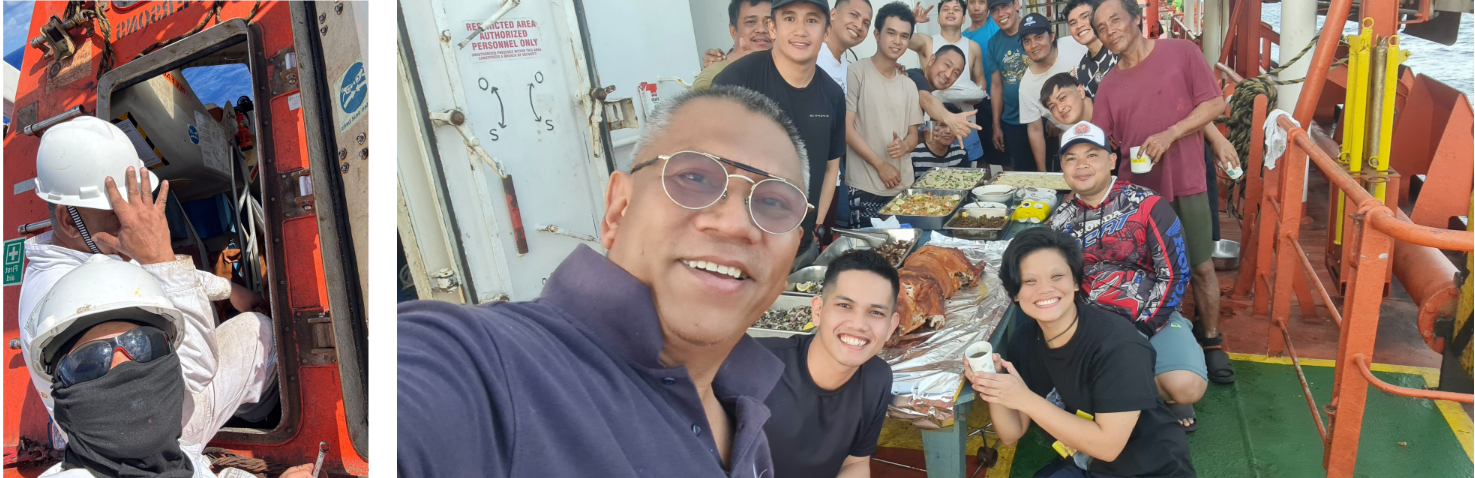
As global trade continues to rely on bulk carriers to transport vital cargoes across oceans, safety remains the foundation of every operation at OSM Thome. Behind every successful voyage are dedicated seafarers who navigate complex environments with professionalism, preparedness, and teamwork. For Master Nelson T. Cayabyab aboard Golden Rose, carrying the trade also means carrying the responsibility of keeping people, cargo, and vessel safe under every condition.
From navigating heavy weather and congested waters to overseeing cargo handling, mooring operations, and confined-space entry, Capt. Cayabyab recognises that every task carries inherent risks. To manage these challenges, he ensures that every operation begins with careful planning, comprehensive risk assessments, and clear safety briefings. Crew members are equipped with the necessary personal protective equipment, understand their individual responsibilities, and regularly participate in drills that strengthen their readiness to respond effectively under pressure.
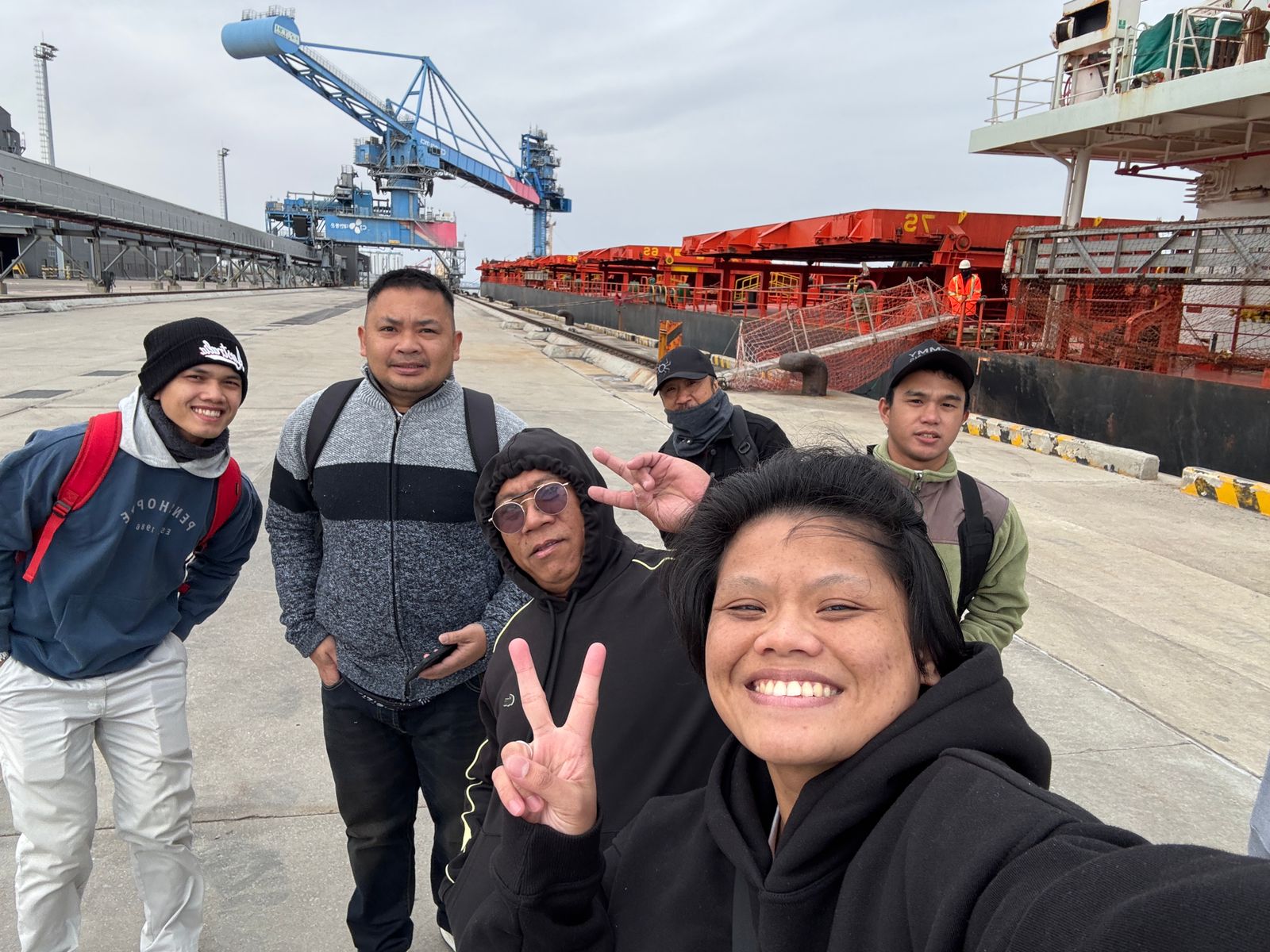
For Capt. Cayabyab, preparedness extends beyond procedures—it is a culture cultivated every day onboard. By encouraging open communication, reinforcing individual accountability, and ensuring every crew member understands their role, he helps foster an environment where safety becomes second nature. This consistent commitment to readiness enables the crew to remain calm, coordinated, and confident when faced with demanding situations at sea.
For Master Cayabyab, the 2026 Day of the Seafarer theme, “Carrying the Trade. Carrying the Risks.”, reflects the responsibility shared by every seafarer who keeps global trade moving. His message is clear: remain vigilant, continue learning, communicate openly, and never become complacent. A strong safety culture, built through preparation and trust, remains the crew’s greatest safeguard against the unexpected.
CARRYING WORLD TRADE THROUGH CONFLICT
By: Tommy Olofsen, Group Managing Director

The maritime industry is once again moving the world’s trade through a region at war. The situation around the Strait of Hormuz has stranded thousands of seafarers, disrupted rotations, and in some cases cost lives. For me these are not headlines. Many of the people caught up in this are ours, and that changes how you talk about it.
I want to be direct about how we are choosing to lead through it. It would be easy to issue calm reassurances and list the procedures we have in place. We have them, and our shore teams are in constant contact with every vessel trading near these waters. But procedures are not the point. The point is what we are willing to stand behind when a route turns dangerous, and that is where a ship manager either means what it says or does not.
Meeting the rules is the starting line, not the finish. The conventions and the regulations matter, and we meet them. But meeting the minimum is not the same as protecting people, and I will not pretend that it is. Real protection means practical things being ready before a crisis, not after it. Clear escalation paths. Security measures are agreed with our customers in advance. Alternative assignments when a route is unsafe. Financial and insurance arrangements that hold when a family suddenly has no income and a seafarer is stranded far from home. We do the diligence on principals and routes up front, because by the time something goes wrong, the time to have prepared is already gone.
Risk is structural now, not a passing storm. Geopolitical disruption is no longer the exception in shipping. It is part of the operating environment, and it will be for some time. Hormuz today, the Red Sea before it, and other chokepoints tomorrow. The companies that serve seafarers well will be the ones that stop treating each crisis as a surprise and start building for a world where complexity is permanent. Our role is to help our customers navigate that complexity with confidence, and to make sure our crew are never the ones left to absorb the risk on everyone else’s behalf.
This is where I want to be candid about industry, including ourselves. Seafarers carry close to ninety percent of world trade, and most of the world never thinks about them once. They keep energy moving, they keep shelves full, and they do it through danger that the rest of us would not accept in our own working lives. That invisibility is comfortable for everyone on shore. It should not be. If we ask people to carry the risks of global trade, then the burden of protecting them sits with us, and it cannot be optional.
Practically, that means our shore teams stay in direct contact with vessels trading near higher-risk areas, with current security guidance and support for the decisions that must be made voyage by voyage. It means we work closely with travel providers, agents and crewing teams to keep rotations moving, so that crew changes are not quietly stretched out and people get home when they are due. And it means we look after mental wellbeing across the whole of a seafarer’s journey, from the days before they sign on to long after they are home, rather than switching on support only when a voyage turns dangerous. Connectivity to family is a lifeline, not a luxury, and we treat it that way.
The industry has always worked through hard periods. War, pandemics, closed waterways, economic shocks. What has never changed is who keeps trade moving when everything else stops. It is the seafarer. It always has been.
What I will not do is offer comfortable words and stop there. A commitment is only real if it holds in the hard moments, and this is one of them. Success for me has not changed in all my years in this industry. Our seafarers who join our ships come back home safe. Everything else we do has to serve that. Global trade must keep moving, and so must our responsibility to the people who make it possible.
NAVIGATING SHIFTING TIDES: SAFEGUARDING OUR SEAFARERS AMID THE PERSIAN GULF CRISIS
By: Capt. Jeffrey Rodriguez, Head of PH Crewing Operations, TM Fleet

Operational Adaptability Under Regulatory Shifts
Initially, crew changes were halted for Filipino seafarers, with subsequent allowances for repatriation conditional upon non-Filipino replacements. This mandate significantly impacted our Filipino crew members who were scheduled to join vessels in the region. Fortunately, as tensions began to ease, the DMW issued updated advisories allowing regulated crew changes backed by mandatory reporting and stringent risk assessments. Made possible by our company’s close cooperation with key industry organisations, our seafarers have successfully begun rejoining their vessels and reclaiming their livelihoods.
The logistical challenges, however, extended beyond the water. Seafarers transiting through major Persian Gulf airport hubs faced limited and exceptionally expensive flight options during the peak of the crisis. This bottleneck placed immense pressure on our travel providers and required doubled efforts from our crewing operations team to maintain seamless support.
Uncompromising Commitment to Crew Welfare
Throughout this volatile period, our crewing operations team intensified its focus on crew welfare. We ensured that vessels maintained ample provisions, water, and essential supplies, while conducting regular welfare checks in coordination with our Person in Charge (PIC) counterparts. Furthermore, close collaboration with our maritime security team allowed us to monitor vessel movements in real-time, ensuring that our seafarers’ fundamental “right to refuse sailing” was entirely respected and upheld.
Resiliency Under Fire: The Incident Offshore Qatar
The true test of our crew’s resilience came when one of our manned vessels was struck by a projectile off the coast of Qatar. In the face of extreme danger, our brave seafarers demonstrated extraordinary composure and professionalism. They successfully contained and extinguished a localized fire in the engine room and assisted local authorities in safely removing the projectile from the vessel. Despite immense psychological pressure, the crew fulfilled their duties, stabilized the vessel, and brought it safely to a repair facility.
In the wake of this incident, OSM Thome exhausted all avenues to ensure the crew’s immediate welfare. Navigating three weeks of complex bureaucracy and intense logistical hurdles, we successfully repatriated the entire crew. Upon their arrival in the Philippines, our Nordic Medical Clinic played a pivotal role in addressing their mental health needs, while our Seacura team worked alongside local correspondents to manage their ongoing care and psychological support.
Looking Ahead with Vigilance
With recent diplomatic developments, including the signing of the Islamabad Memorandum of Understanding, we fervently pray for a swift return to safer seas. Yet, while international bodies actively work to restore long-term freedom of navigation in the Persian Gulf, current conditions demand our continued professionalism, caution, and adaptive strategy.
OSM Thome stands firmly behind our crew. As a company deeply committed to the safety and well-being of our maritime personnel, we believe that staying informed, vigilant, and legally protected is a collective responsibility. This guide outlines the current state of regional transit, mandatory onboard safety protocols, and the fundamental rights protecting our Filipino seafarers.
Wishing all our crew members smooth seas and safe returns.
SUPPORTING VESSEL OPERATIONS BEYOND THE VOYAGE
By: Pia Meling, Chief Marine Services Officer

When we talk about ship management, the conversation often stops at the voyage. Did the vessel arrive safely, on time, and in compliance. Those are the right questions, but they are not the whole picture. A vessel’s performance is shaped long before it sails and continues to matter long after it berths. That is where marine services earn their value.
Marine services sit across the full lifecycle of a vessel. Newbuilding support, repair, upgrades and maintenance, vetting and inspection, quality assurance, technical support, procurement, energy efficiency, and the continuous improvement work that prepares a fleet for tighter environmental and emissions regulations. Each is sometimes treated as a separate task. In practice, they are one continuous effort to keep a vessel safe, compliant and commercially competitive over its entire useful life.
Vetting is a good example. A robust process is not a hurdle to clear before a fixture. It is an early signal of where risk sits, and a chance to address it before it leads to an incident. The value comes when inspection findings feed back into how we operate, train and support the crew. Our long term success depends on seafarers speaking openly about what is happening onboard. Our job ashore is to create the conditions for that honesty, not to manage around it.
The same logic applies to emissions reductions from shipping. Meeting new environmental rules is not a one-off project. It is a continuous discipline that combines data, technology and service delivery at scale. The owners who treat it that way will stay ahead.
What ties this together is a simple belief. Supporting vessel operations is not a series of transactions. It is a long-term partnership built on transparency, data and trust. Technology helps us see more and act earlier, but it does not replace the people who do the daily work. The strongest results come when good systems and competent people work together supported by a strong company culture.
That commitment extends beyond the technical. Through our state-of-the-art catering and nutrition programmes, we ensure that crews are properly nourished and supported through long voyages. Our medical services provide onboard health monitoring and access to professional care, while our extended insurance coverage gives crew members and their families genuine peace of mind. We also offer welfare support, mental health resources, and wellbeing initiatives that recognise life at sea as more than just a job. These are not add-ons. They are part of what it means to take crew welfare seriously, and they reflect our belief that a healthy, supported crew is fundamental to safe and effective vessel operations.
That is what supporting operations beyond the voyage means to me. Not just getting a ship from one port to the next, but standing behind it, and the people onboard, at every stage of its life.
THE MODERN SEAFARER: SKILLS FOR THE FUTURE FLEET
By: Devesh Gautam, Training Director

The maritime industry is entering one of the most significant transitions in its history. Digitalisation, alternative fuels, automation, data-driven operations, and sustainability requirements are rapidly reshaping how vessels operate and how shipping companies prepare for the future.
At the centre of this transformation is the modern seafarer.
Today’s seafarers are expected to do far more than operate and maintain vessels. Modern fleets require professionals who can adapt to new technologies, manage increasingly complex systems, understand evolving environmental regulations, and operate safely in highly connected and data driven environments.
As vessels become smarter, operations become more integrated between ship and shore. Digital platforms now support navigation, performance monitoring, predictive maintenance, fuel optimisation, compliance reporting, and operational decision making. While technology continues to improve efficiency and transparency, it also increases the importance of competence, critical thinking, and situational awareness onboard.
At the same time, the industry’s transition toward alternative fuels such as LNG, methanol, ammonia, and other emerging energy solutions is introducing entirely new operational and safety considerations. These changes require additional technical knowledge, stronger safety awareness, and continuous upskilling across all levels onboard.
The future fleet will not only depend on advanced technology. It will depend on skilled seafarers who can operate these technologies safely, responsibly, and efficiently.
This is why training and competence development have become more important than ever.
At OSM Thome, preparing seafarers for the future goes beyond mandatory compliance training. The focus is increasingly on continuous learning, operational readiness, digital familiarisation, leadership development, and strengthening the practical competencies required onboard modern vessels.
OSM Thome continues investing in training programs, simulation capabilities, digital learning platforms, and competency development initiatives to help crews adapt to evolving industry demands. Training today must prepare seafarers not only for current operations, but also for the technologies and fuel systems that will shape the next generation of shipping.
Equally important is maintaining the human element within an increasingly digital industry. Technology should support safer and more efficient operations, but it cannot replace experience, teamwork, leadership, and sound decision making onboard. The role of the seafarer remains critical in ensuring vessels operate safely under changing operational conditions.
The maritime industry’s future will be defined by how successfully it balances innovation with people. Modern vessels require modern skills, but they also require resilient, adaptable, and highly competent professionals capable of navigating a rapidly changing industry.
As shipping continues its transition toward smarter and more sustainable operations, investing in seafarers will remain one of the industry’s most important responsibilities. Because ultimately, the future fleet will only be as strong as the people operating it.
WOMEN SURVEYORS: DRIVING OPERATIONAL EXCELLENCE OFFSHORE
By: Christine Angela Alnin, Offline Surveyor, Van Oord

The Philippines has long maintained a significant presence in the global shipping industry, accounting for around 25-30% of the world’s maritime professionals. In this male-dominated industry, a subtle but powerful move is taking place in the offshore sector, with a growing number of Filipina surveyors stepping onto vessels, challenging long-held stereotypes and redefining offshore operational excellence from beneath the ocean‘s surface.
As offline surveyors onboard a Subsea Rock Installation Vessel, Aji and I support subsea installation projects behind the scenes and ensure rock installations are carried out according to design specifications. From evaluating client data and creating installation designs to processing raw survey data collected using advanced hydrographic surveying technologies, our work is to monitor progress to provide information that guides operational decision-making and produce deliverables in compliance with client requirements.
Through accurate charting, data processing, and real-time monitoring, offshore surveyors help reduce operational risks, improve installation accuracy, and ensure that operations are completed safely and efficiently.
The growing presence of Filipina surveyors in offshore operations reflects the industry’s evolving landscape, allowing women to showcase their excellence in technical disciplines and resilience in a constantly changing offshore environment. This is helping pave the way for the next generation to explore opportunities beyond traditional career boundaries, not defined by gender, but by competence and excellence.
Today, Filipina surveyors are not only mapping the seabed but also charting the course towards greater diversity and inclusion in the global offshore industry.
INTERNATIONAL SEAFARERS DAY CELEBRATIONS AROUND THE WORLD
By: Dominique Mae Malaya, Marketing Content Specialist

On 25 June 2026, OSM Thome offices around the world came together to celebrate the Day of the Seafarer, placing the spotlight on the people who keep global trade moving. In support of this year’s International Maritime Organization (IMO) theme, “Carrying World Trade. Carrying the Risks.”, the celebrations recognized the resilience, professionalism, and dedication of seafarers while reaffirming OSM Thome’s commitment to their safety, wellbeing, and development.

In the Philippines, seafarers were welcomed to a day of appreciation centered on health, wellbeing, and meaningful engagement. The celebration featured free medical consultations by Nordic Medical Clinic, complimentary haircuts, games, and wellness activities designed to give back to those who spend months at sea. A heartfelt video message from Chief Crew Management Officer Julia Anastasiou expressed gratitude to both seafarers and their families, recognizing the sacrifices they make in supporting global trade. The event was attended by OSM Thome Philippines’ leadership alongside representatives from the Maritime Industry Authority (MARINA), highlighting the shared commitment of industry partners to advancing the welfare and safety of seafarers.
A key highlight of the Philippine celebration was the opportunity for seafarers to share their own safety practices and experiences. Their stories reinforced an important message: a strong safety culture is built through preparedness, collaboration, continuous learning, and the collective responsibility of every person onboard.


Meanwhile, OSM Thome India brought together seafarers, their families, and colleagues across its offices in Mumbai, Delhi, and Chennai for a celebration rooted in appreciation, connection, and sustainability. Reflecting on the IMO theme, Capt. Arun Mehta acknowledged the realities and responsibilities carried by seafarers while extending sincere appreciation to the families whose support makes every voyage possible.
The celebration also marked the launch of a meaningful tree-planting initiative, with seafarers receiving self-watering home plants as symbols of resilience, gratitude, and a shared commitment to a greener future. Interactive activities, including a Kahoot quiz, plant presentations from office colleagues, a commemorative cake-cutting, and a fellowship lunch created opportunities for seafarers, their loved ones, and employees to strengthen the bonds that define OSM Thome’s global maritime family.
While each celebration reflected the unique culture of its respective office, they shared a common purpose: honoring the people behind every voyage. Across every gathering, the message remained clear—seafarers are at the heart of the maritime industry, carrying not only the world’s trade but also the responsibilities and risks that come with it.
As OSM Thome continues to champion a culture of safety, care, and operational excellence, the Day of the Seafarer serves as a reminder that supporting seafarers extends far beyond a single day of recognition. It is a commitment reflected in every initiative, every conversation, and every action taken to ensure they can continue their work safely, confidently, and with the respect they deserve.
DESTINATION HIGHLIGHTS: CROATIA
By: Marija Valecic, HR Manager
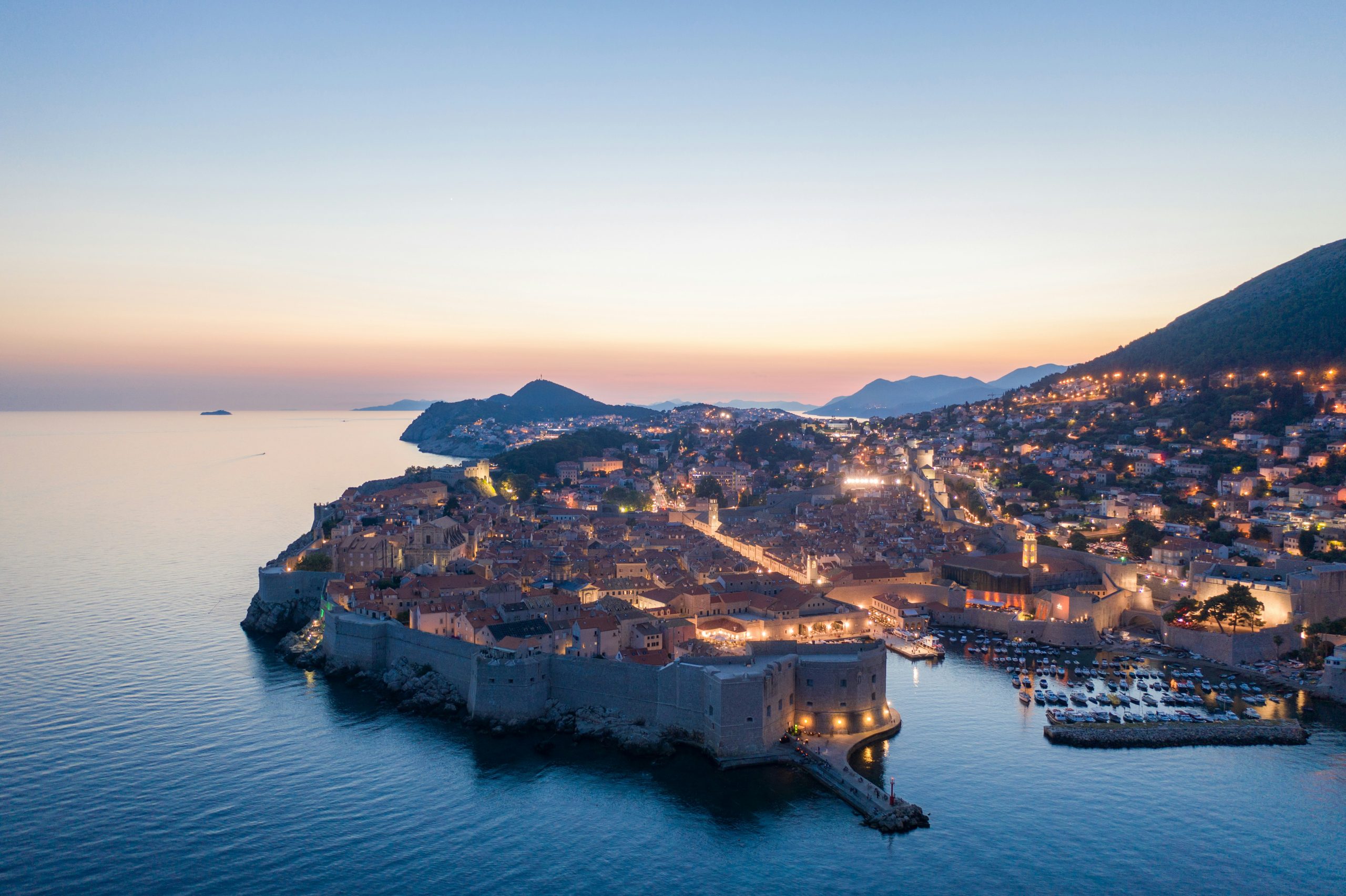
Croatia is a country where Mediterranean charm, Central European heritage, and beautiful natural landscapes come together.
Located along the Adriatic coast, Croatia is known for its ancient towns, crystal-clear sea, and rich cultural legacy shaped by Roman, Venetian, and medieval influences. Among its best-known historic cities are Dubrovnik, Split, and Zadar. Dubrovnik’s iconic city walls have earned worldwide recognition, while Split is home to the remarkably preserved Diocletian’s Palace, a living Roman monument seamlessly woven into everyday city life. Zadar is celebrated for its unique blend of ancient history and modern attractions, including its famous Sea Organ and waterfront sunsets.
Beyond its rich history, Croatia is celebrated for its striking natural beauty, with eight national parks spread across the country, many located along the coast and mountain regions. The turquoise lakes and cascading waterfalls of Plitvice Lakes National Park offer one of Europe’s most breathtaking natural landscapes, while the Dalmatian islands provide hidden coves, pine forests, and a relaxed seaside atmosphere.
Croatia’s inland regions reveal rolling vineyards, traditional villages, and a slower pace of life deeply rooted in local customs. Croatian culture is defined by warm hospitality, strong regional traditions, and a deep connection to food, music, and community gatherings. Fresh seafood, olive oil, local wines, and family-run taverns reflect the country’s Mediterranean spirit.
Croatia is also the birthplace of several notable inventions and innovations, including the necktie (cravat), developed from the traditional attire of Croatian soldiers, as well as early concepts of the parachute, the mechanical pencil, the odometer, and the fingerprint identification system.
Whether exploring ancient fortresses, sailing along the Adriatic, or enjoying a sunset in a coastal square, visitors experience a country that beautifully balances rich history, natural treasures, and authentic local character.
VESSEL TAKEOVER: ETERNITY DIVA JOINS THE OSM THOME FLEET
By: Kamalkumar, Fleet Manager
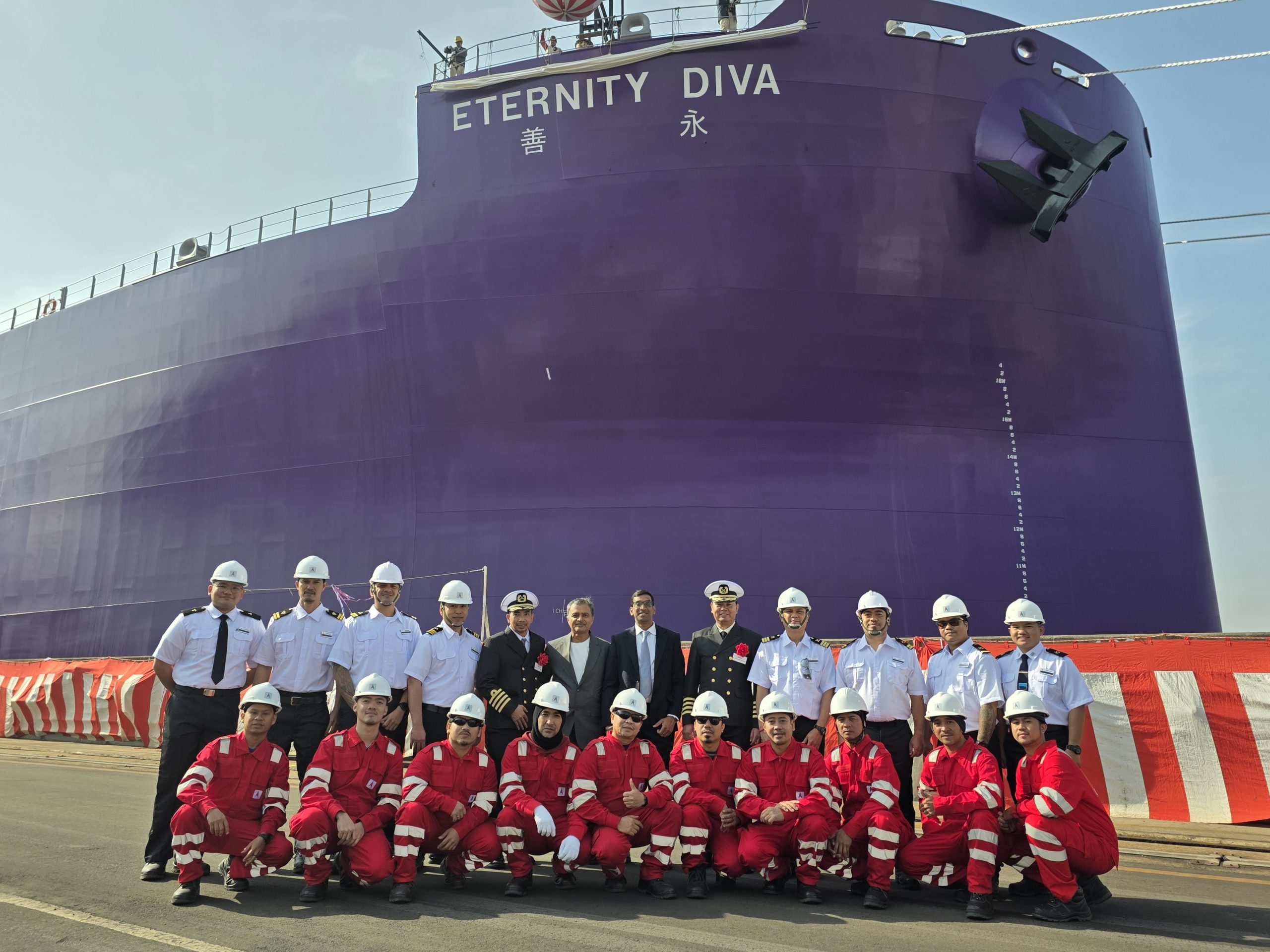
The start of 2026 marked another important milestone for OSM Thome with the successful takeover of the bulk carrier ETERNITY DIVA.
As the third vessel entrusted to OSM Thome by the same principal, the addition of ETERNITY DIVA reflects the strong partnership and mutual confidence built through years of collaboration. The continued expansion of this relationship highlights the trust placed in OSM Thome’s ship management capabilities and our commitment to delivering safe, efficient, and reliable operations.
The takeover was completed through the coordinated efforts of the vessel owner, shipyard representatives, and OSM Thome’s technical and operational teams. Months of preparation, planning, and close collaboration ensured a smooth transition, demonstrating the professionalism and expertise that support every vessel entrusted to our care.
Beyond welcoming a new vessel to the fleet, the takeover of ETERNITY DIVA represents another step forward in strengthening long-term partnerships and supporting our clients’ operational goals. It also reflects the dedication of the people behind every successful delivery—from those working on-site during the handover to the teams ashore who ensure every detail is managed with precision.
As ETERNITY DIVA begins her journey under OSM Thome management, we look forward to supporting her continued success and delivering the high standards of service that define our operations worldwide.
OSM THOME MAKES STRONG START TO 2026 WITH GLOBAL MARITIME ENGAGEMENTS
By: Eunice Anne Narvadez, Senior Corporate Communication and Marketing Associate

OSM Thome kicked off 2026 with a strong presence across the global maritime industry, participating in major conferences, exhibitions, and forums that advanced discussions on safety, sustainability, innovation, and seafarer welfare. Through the active involvement of its leaders and experts, the company reinforced its commitment to driving progress and collaboration across the sector.
OSM Thome took part as an exhibitor in MILAAP 2026, the International Transport Workers’ Federation’s (ITF) first Seafarers’ Expo in India, held from January 29–31 at Princess Dock, Mumbai Port Trust, Mazgaon, Mumbai.
OSM Thome was proud to be a Gold Sponsor of the Annual Offshore Support Journal Conference, Awards & Exhibition held on February 3-4 at Park Plaza London Riverbank, London. During one of the panel sessions, OSM Thome’s Chief Operating Officer for Offshore, Morten Sejrup, emphasised the need to shift workforce engagement from motivating younger generations to aligning training with evolving offshore operations and alternative fuels. He highlighted that people are central to progress and that investing in skills, inclusion, and leadership is vital to the future of offshore.
On February 19, Dr. Margarita Huerte, Medical Director at Nordic Medical Clinic, moderated the panel “Navigating Seafarer Wellness” at the Philippine Society of Maritime Health Physicians (PSMHP) Convention in the Philippines. The session discussed managing complex health issues such as HIV, hypertension, obesity, diabetes, and functional capacity, along with the evolving role of telemedicine in maritime healthcare.
Consequently, Capt. Jeffrey Rodriguez, OSM Thome Philippines Head of Crewing Operations, moderated one of the panels at the Regional Forum on the Comprehensive Review of the Standards of Training, Certification, and Watchkeeping (STCW), titled “21st Century Skills and Non-Technical Behavioral Skills,” held onlast February 19 in the Philippines.
Chief Marine Services Officer Pia Meling represented OSM Thome at the CMA Shipping 2026 Safety Forum on March 11 in Stamford, Connecticut, sharing OSM Thome’s approach to translating vetting standards into daily vessel operations through a strong safety culture and continuous improvement. Her insights highlighted challenges faced by dry bulk vessels under intense port pressure, where overlapping inspections, tight timelines, and operational demands necessitate a practical, collaborative safety approach.
On February 24, OSM Thome was pleased to attend and support as a bronze sponsor the Singapore Shipping Association’s annual Lunar New Year ‘Lo Hei’ Cocktail 2026, held in Singapore on 24 February. The event welcomed more than 500 members, partners, and distinguished guests to usher in the Year of the Fire Horse.
On 18 March, OSM Thome’s Crewing Projects and General Manager, Ramona Lavkinaite, joined the “Focus on Human Factors” panel at the 7th SAFETY4SEA Limassol Forum in Cyprus. The discussion explored the impact of human factors on safety, decision-making, and performance at sea, highlighting the importance of leadership, crew engagement, and continuous improvement in maritime operations.
Group Managing Director Tommy Olofsen attended the Lloyd’s Register Tank Forum 2026 in Stavanger, Norway, on March 26, where he shared his insights on the strategic landscape and major developments shaping the shuttle tanker segment during the panel session titled “Setting the Scene – Shuttle Tankers State of Play.” Additionally, Eivind Kulblik, Technical Director for Europe and Brazil, participated in the panel discussion “Shuttling Forward, the Future of DPST Tankers” at the same event.
Jesper Alex Larsen, Axia Maritime’s Managing Director, participated in the “Debate & Audience Q&A: Strategy in Practice” at IMPA Hamburg 2026 on April 15 in Germany. Larsen offered practical insights during the session on how procurement is evolving into a strategic role within shipping organisations.
On April 16, Nordic Medical Clinic’s Medical Director, Dr. Christian Lubaton, shared his expertise and insights during the panel session “The Human Element at Sea: Advancing Safety Culture, Leadership & Wellbeing” at the 5th SAFETY4SEA Manila Forum in the Philippines, where he emphasised the strong link between mental health and overall safety performance on board.
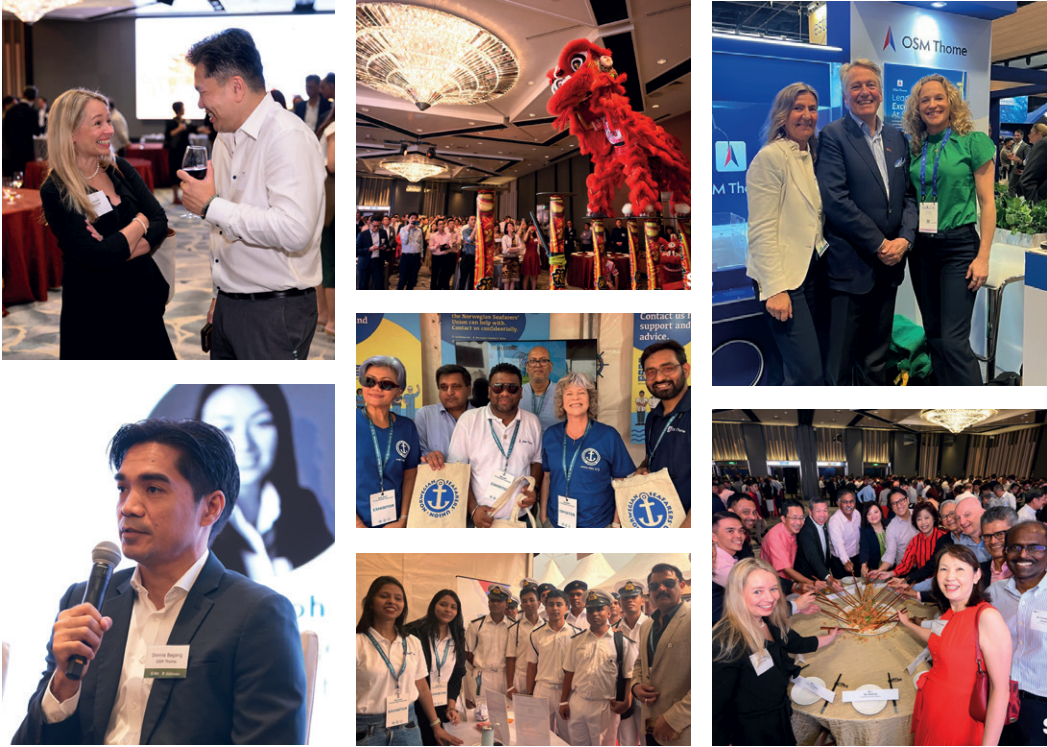
OSM Thome had a very fruitful week at the Singapore Maritime Week 2026 (April 20-24), both as an exhibitor and by actively participating in various conferences. Chief Marine Services Officer Pia Meling shared her insights and expertise at the Spotlight on Norway – Smart & Sustainable Shipping: Digitalisation and Decarbonisation Shaping the Maritime Future event and the Singapore – Norway Maritime Industry Forum 2026. In addition, Principal Vessel Manager Donnie Bagang joined the “Ethanol as a Marine Fuel” workshop as a panelist.
Chief Crew Management Officer and Cyprus Shipping Chamber Vice President Julia Anastasiou attended the High-Level Ministerial & Stakeholders Conference “Investing in Seafarers: Securing the Future of Global Shipping” on April 28 in Cyprus.
OSM Thome was a proud sponsor of this year’s Novikontas Conference in Latvia and was represented by Recruitment Director Dorthe Karlsen, Crewing Operations General Manager, Senior Crew Operations Manager Sanita Zurzdina, and Crewing Manager Aija Vinberga, at the event last April 28-29.
On May 19, OSM Thome proudly joined the Norway Constitution Day Reception 2026 in the Philippines as a Level 1 sponsor. Attendees, including maritime leaders, government officials, and members of the business community, commemorated nearly 80 years of strong diplomatic relations between Norway and the Philippines.
On May 21, Group Managing Director Tommy Olofsen took part in the INTERTANKO Annual Tanker Summit Hong Kong 2026, joining the panel on “Operating through disruption: the practical realities for tanker owners” with other industry experts. OSM Thome was also a proud sponsor of this significant event.
OSM Thome attended one of the maritime industry’s largest global events, Posidonia 2026, held from June 1-5 in Greece. Industry partners and friends visited OSM Thome’s booth to network and engage in meaningful discussions and collaborations. Chief Crew Management Officer Julia Anastasiou participated in the BIMCO Posidonia 2026 Seminar: Crewing the Future: Supply, Sustainability & Seafarers’ Rights on June 3 as a panelist in the “The Workforce Pipeline: Recruitment, Retention, and Reality – Early insights from the 2026 BIMCO/ICS Seafarer Workforce Report” session. Ultimately, OSM Thome was a proud sponsor of the highly anticipated TradeWinds Shipowners Forum in Athens 2026, held during Posidonia week.
OSM THOME AT POSIDONIA 2026: CONNECTING WITH THE MARITIME WORLD
By: OSM Thome Editorial
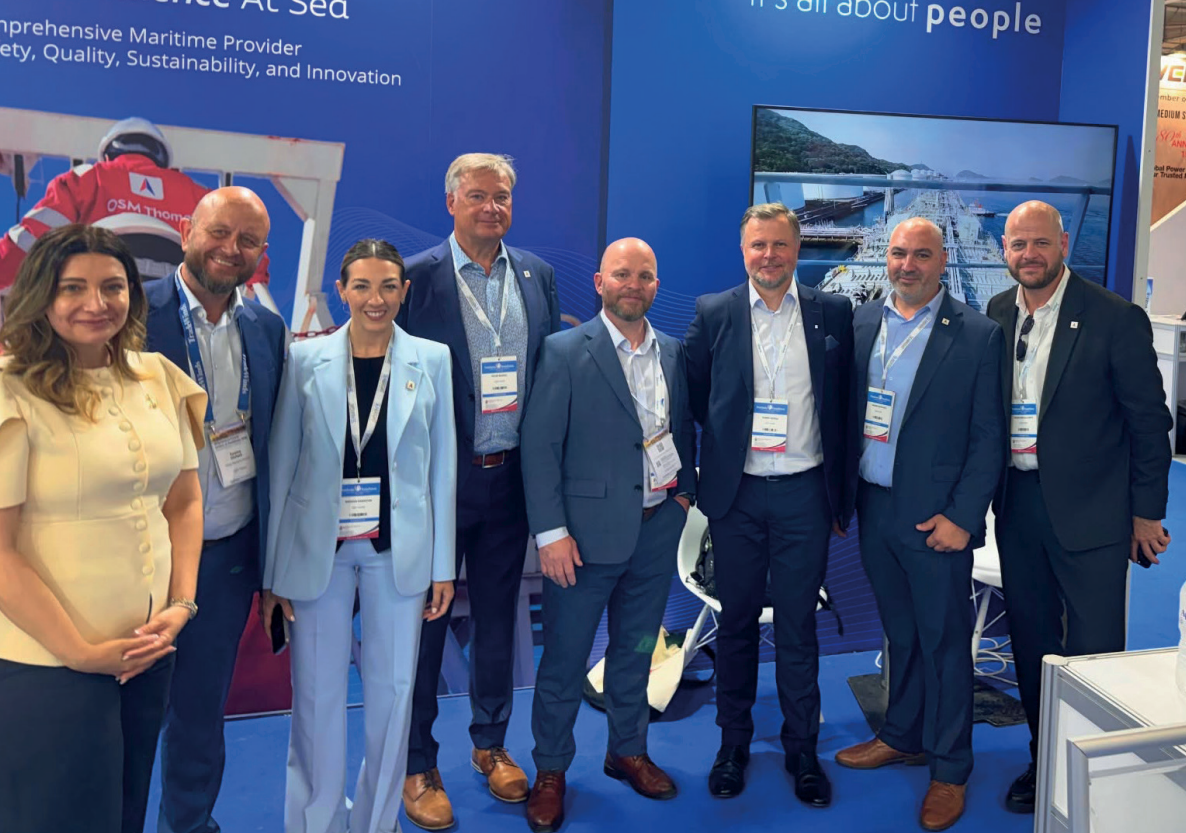
For five days in early June, Athens hosted Posidonia 2026, the world’s premier shipping exhibition. Notably, Greece is home to the world’s largest merchant fleet, with Greek shipowners controlling roughly 21% of global tonnage, making the Athens expo an ideal meeting point for the industry. More than 35,000 maritime professionals and 2,200 exhibiting companies converged on the exhibition floor, setting new attendance records and reinforcing Posidonia’s position as one of the most influential gatherings in global shipping. Delegates from around the world came together to exchange ideas, strengthen partnerships, and explore the trends shaping the future of the maritime industry.
The packed agenda of more than 60 conferences and seminars reflected the sector’s evolving priorities. Sustainability and decarbonisation featured prominently, with discussions on alternative fuels, wind-assisted propulsion, emissions regulations, and the industry’s pathway toward the IMO’s 2030 and 2050 ambitions. Workforce development and crew welfare also remained at the forefront, while sessions on digital transformation, AI (artificial intelligence), maritime safety, geopolitical developments, and supply chain resilience highlighted the complex environment in which shipping continues to operate. Alongside the business program, the Posidonia Games and other networking events created opportunities for industry professionals to connect in a more informal setting, reinforcing the collaborative spirit that has long defined the exhibition.
As part of its participation at Posidonia 2026, OSM Thome was also proud to sponsor the TradeWinds Shipowners Forum Greece. Held under the theme “Resilience in the Face of Disruption”, the event provided a platform for shipowners, executives, and industry leaders to exchange perspectives on the geopolitical, regulatory, commercial, and technological developments shaping global shipping. By supporting this important industry forum, OSM Thome reaffirmed its commitment to fostering dialogue, collaboration, and innovation across the maritime sector.
OSM Thome was proud to exhibit at Posidonia, and throughout the week our booth served as a hub for meaningful conversations, valuable networking opportunities, and discussions with shipowners, operators, partners and industry peers from around the world.
Our team showcased OSM Thome’s expertise across Ship Technical Management, Crew Management, and Marine Services while exchanging insights on the challenges and opportunities shaping modern shipping. The positive atmosphere reflected the collaborative nature of Posidonia, with visitors exploring how OSM Thome’s solutions continue to support safe, efficient, and future-ready maritime operations. A little golf fun along the way also added to an engaging week of networking and relationship building.
OSM Thome also contributed to the industry’s thought leadership program through Julia Anastasiou, Chief Crew Management Officer, who participated in the BIMCO Posidonia 2026 Seminar, Crewing the Future: Supply, Sustainability & Seafarers’ Rights. As a panelist in The Workforce Pipeline: Recruitment, Retention, and Reality – Early Insights from the 2026 BIMCO/ICS Seafarer Workforce Report, Julia joined industry leaders in discussing the future of maritime talent. The discussion focused on recruitment, retention, workforce sustainability, and the future supply of qualified seafarers, drawing on early insights from the forthcoming BIMCO/ICS Seafarer Workforce Report. OSM Thome’s participation reinforced our commitment to supporting seafarers and contributing to conversations that will shape the future of crew management across the industry.
Posidonia 2026 was a resounding success for OSM Thome. We strengthened existing partnerships, established new relationships, and returned from Athens inspired by the conversations and collaboration that defined the week. As the maritime industry continues to evolve, OSM Thome looks forward to building these connections and working together with our partners to deliver safe, sustainable, and future-ready solutions for global shipping. Because shipping is more than an industry. It is the backbone of humanity.
MY MARITIME JOURNEY AS CHIEF OFFICER
Featuring C/O Ivan Erak
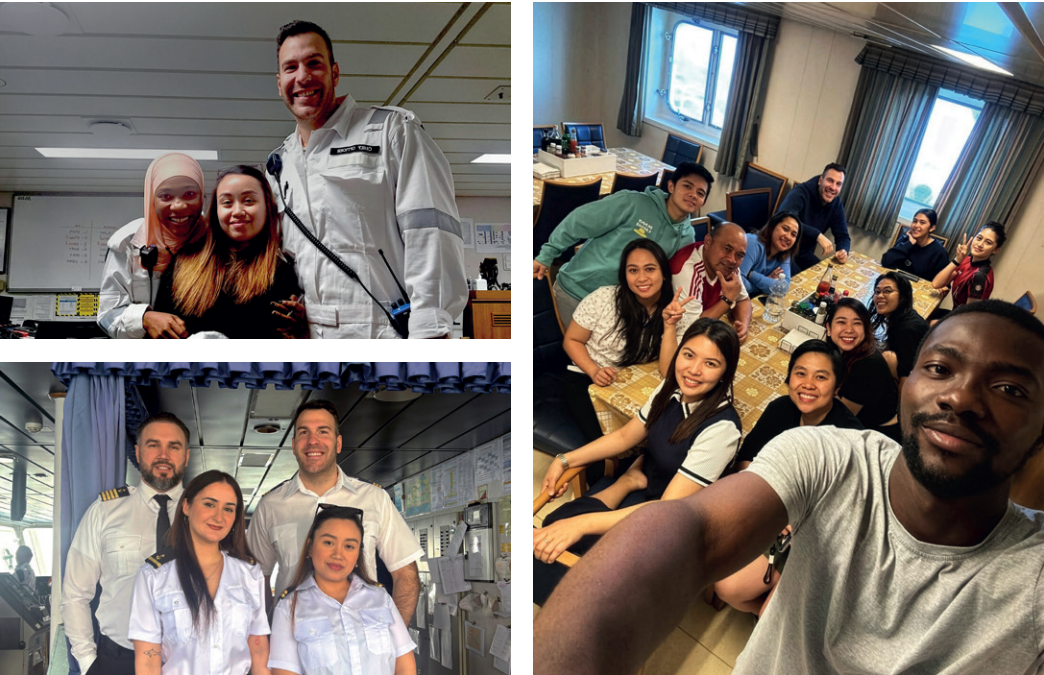
The maritime industry demands more than technical expertise—it requires strong leadership, sound decision-making, and a steadfast commitment to safety. For Ivan Erak, these principles have served as the foundation of his professional journey at sea, shaping his approach to both operations and crew management throughout his career.
Currently serving as Chief Officer aboard Hafnia Bering, Ivan draws upon years of experience to navigate the evolving demands of modern shipping. His experiences have reinforced the value of preparation, teamwork, and continuous development, lessons that continue to guide him in maintaining safe, efficient, and reliable vessel operations while supporting the wellbeing and performance of the crew onboard.
As Chief Officer, Ivan is responsible for overseeing cargo operations, deck maintenance, ballast management, vessel stability, and the implementation of safety procedures. He also leads and supervises the deck crew, ensuring that all operations are conducted in accordance with company standards and international maritime regulations. Central to his approach is thorough planning, clear communication, and effective coordination across departments to maintain safe and efficient vessel operations.
Safety remains a fundamental consideration in every aspect of his work. Through comprehensive risk assessments, toolbox meetings, and strict adherence to established procedures, Ivan helps foster a culture where safety is integrated into daily operations. This structured approach supports sound decision-making, minimises operational risks, and promotes consistency across all onboard activities.
Throughout his career, Ivan has recognized the critical role of leadership in achieving operational success. By encouraging open communication, maintaining a proactive mindset, and leading by example, he contributes to a collaborative working environment that strengthens both crew performance and morale.
Reflecting on his maritime journey, Ivan credits challenging operations, demanding sea conditions, and diverse onboard experiences for shaping his professional growth. These experiences have strengthened his leadership capabilities, reinforced the value of teamwork, and deepened his commitment to maintaining the highest standards of safety and operational excellence at sea.
THE NUMBER THAT CHANGED EVERYTHING
By: Mary Dela Cruz, Deputy Managing Director (Philippines)

Last year, during a visit to a wellness farm resort, I stepped onto a body composition analyzer, expecting little more than an interesting health snapshot. When the printout came out, one number stood out, my metabolic age was 57, almost two decades older than my actual age.
I was shocked.
That single number forced me to confront what I already knew. I didn’t feel comfortable in my own skin. I felt heavy, sluggish, and lacked energy. More importantly, I realized that if I wanted things to change, I had to be the one to make it happen.
When I got home, I decided to focus on something I had struggled with for years, consistency. I had tried gym memberships and home workouts before, but never stayed with them. This time, I joined the gym near our home alongside my husband and committed to simply showing up.
At first, I didn’t enjoy it. The equipment intimidated me, and workouts felt uncomfortable. But instead of forcing myself into routines I disliked, I started with dance fitness classes. They were fun, and they got me moving. Every day after work, I rushed to make it to class. It wasn’t always easy, but little by little, a habit was forming.
I also became more mindful of my diet, reducing sugar, and incorporated intermittent fasting into my routine to support the effort I was putting into exercise.
Over time, consistency began to work its quiet magic.
People often ask how I find the time while balancing leadership responsibilities, family life, and being a wife and mother of three. The answer is simple, I stopped waiting for the perfect time and started making the time.
What surprised me most was that the biggest transformation wasn’t physical. My mind became clearer. My energy improved. My mood became steadier. I showed up better at work, at home, and for the people who matter most. I realized that physical health and mental wellbeing are deeply connected, taking care of one strengthens the other.
There were visible changes too. I enjoyed fitting into clothes I had long stopped wearing. I felt stronger and more confident. But somewhere along the journey, the goal stopped being about the number on the scale and became about how I felt.
This journey also became something my husband and I could share together, and it inspired something unexpected at work. A few colleagues started sharing their own fitness goals and activities, and together we built a small community that encourages one another to prioritize wellbeing.
Perhaps most importantly, I wanted to set an example for my children. Children often learn more from what they see than from what they are told. I want them to understand that taking care of yourself is not just an act of vanity. It is an investment in your health, your future, and your ability to care for others.
UNDERSTANDING HEALTH TRENDS: TOP 5 PEME FINDINGS
By: Dr. Margarita Huerte, Medical Director (Operations), Nordic Medical Clinic

Pre-Employment Medical Examinations (PEME) are more than a requirement before boarding. They are an important opportunity to detect health risks early, prevent complications, and help seafarers remain safe and fit for duty at sea.
At Nordic Medical Clinic, the most common PEME findings include:
1) Electrocardiogram changes, which may indicate the need for further heart evaluation;
2) Hypertension, often linked to stress, diet, weight, and family history;
3) Diabetes or elevated blood sugar;
4) Obesity, which increases the risk for heart disease, sleep problems, muscle and joint pains, and metabolic disease;
5) Kidney-related findings, such as elevated creatinine, chronic kidney disease risk, or kidney stones.
Other recurring findings include gallbladder stones or sludge, high cholesterol, fatty liver or elevated liver enzymes, enlarged prostate, and dental concerns.
These results remind us that small daily habits can have a big impact. Practical steps include drinking enough water, reducing salty, sugary, and fatty food, choosing more vegetables and fibre, staying physically active through walking or simple onboard exercises, avoiding smoking, limiting alcohol, sleeping well, and taking maintenance medications as instructed. The findings also reflects the published repatriation study, which showed that injuries, musculoskeletal, gastrointestinal, cardiovascular, infectious, and genitourinary conditions were leading causes of medical repatriation, reinforcing the need for prevention and holistic care: https://pubmed.ncbi.nlm.nih.gov/38111244/
Under the holistic health approach promoted by NMC and Dr. Christian “Doc Didoy” Lubaton, health is not only about passing the medical exam. It is about supporting the whole seafarer — their physical and mental wellbeing, lifestyle, working environment, and family life. Early detection, doctor feedback, health education, and lifestyle improvement can help seafarers build safer, longer, and healthier careers at sea.
THE COST OF THE PLATE: LEADERSHIP, PRICE VOLATILITY AND CREW PERFORMANCE AT SEA
By: Yngve Jonassen, Managing Director, OSERV

Ask a crew member what matters most onboard and the answer is rarely complicated: salary, connectivity and food. If one of those is not in good order, satisfaction dropquickly and morale follows. Performance rarely moves in the other direction.
The Mission to Seafarers reflects this consistently through the Seafarers Happiness Index, where food quality remains one of the strongest drivers of wellbeing. When standards decline, satisfaction moves with them. That is not new information.
Still, when commercial pressure increases, catering is often one of the first areas reviewed and that is where things start to drift.
Take a vessel with 20 crew operating at a PMD of USD 10.50. This equates to a daily cost of roughly USD 210 which, over a year, remains a small fraction of total vessel expenditure. Daily operating costs for many tankers and bulk carriers typically sit between USD 6,000 and USD 9,000, and charter revenues move far more than that depending on the market.
Against that backdrop, a USD 20 daily saving on food can become a point of intense discussion, while significantly larger cost movements elsewhere pass without the same attention. Reducing feeding cost by one dollar per person saves roughly USD 7,300 per year. While this looks disciplined on paper, in practice, it is rarely where performance risk should sit.
The math is straightforward. The consequence onboard is not.
Food is not a discretionary benefit. It is part of the vessel’s operating environment as it affects energy, concentration and how people deal with long rotations under constant pressure. It is also the only operational budget line that touches every individual onboard, every single day.
After a 14-hour repair job in heavy weather, a chief engineer is not thinking about charter rates. He is thinking about what greets him in the mess room, and that moment carries weight. When meals are predictable, balanced and familiar, they create stability. When compromises become visible, it is noticed immediately.
Regional price volatility makes this harder. Protein prices move, fresh produce varies between ports, and freight continues to distort supply chains. At the same time, geopolitical tension and shifting trade patterns are driving cost differences between regions that did not exist a few years ago. Treating feeding cost as a fixed global number assumes stability but that stability is gone.
In that environment, the real question is where the pressure ends up. The easiest option is to push it downstream. It usually shows up on the plate, quietly, but consistently.
The alternative is less visible but ultimately more effective: systems that manage volatility properly through structured ordering, greater stock visibility, and a stronger sense of predictability in planning.
Where that is missing, the pattern is consistent. Orders are placed without reliable consumption data, stores become uneven, and fresh produce is wasted while other categories accumulate. Not because crew consume excessively, but because the system does not hold.
Cost discipline and crew wellbeing are not in opposition, but without structure, one will come at the expense of the other. When consumption is measurable, decisions improve, and when it is not, decisions default to short-term fixes.
Training follows the same logic. A cook who understands planning, nutrition and the composition of the crew can operate within budget without lowering standards. Without that competence, the same budget becomes a constraint rather than a framework.
At its core, this is a leadership question. PMD is not just a number; it is where commercial discipline meets human performance. It shows whether the galley is treated as something to be managed properly, or simply something to be reduced.
A vessel can operate with deferred cosmetic maintenance, however it cannot operate safely with deferred morale. Salary, connectivity and food are not luxuries at sea; they are daily signals of how people are valued, and in this environment that links directly to performance.
The question is not how low feeding cost can go, it is how much performance risk is accepted to get there.
In shipping, resilience does not start in the engine room or in the chartering office. It starts at the table.

Answer Key:
- COMPASS
- PORT
- VOYAGE
- HORIZON
- RADAR
- STARBOARD
- BRIDGE
- ANCHOR
- CREW
- GALLEY
FROM HOME TO HORIZON: SIBLINGS SAILING SIDE BY SIDE
By: Dominique Mae Malaya, Content Marketing Specialist


TAKING ACTION AGAINST EDUCATION CRISIS
By: Anjelo Noah Ordono, OSM-AD Foundation Manager
The worsening global education crisis is widely recognised, but the more important question is what we, as local communities and as a wider society, are doing to address it. While governments and socio-civic organisations continue to respond to these challenges, the results suggest that current efforts are still not enough. The decline in literacy and reading comprehension among children and young people, particularly in underserved and vulnerable communities, remains a largely unresolved issue.
OSM Thome Foundation, together with its generous partners who also care about the future of these communities, is working with local schools in the Philippines to further support teachers with the right educational equipment. This includes the “Center for Learning Project” where each school in isolated communities, mostly in island and mountain villages, receives a children’s library package, audio-visual equipment and, if necessary, a solar energy set if the school’s location is off-grid. This collective effort to support schools by the partners of OSM Thome Foundation addresses the basic issues in the communities.
To ensure our impact reaches and benefits a wide range of communities, the Foundation assigned locations for each partner. The Rederiet Stenersen AS is supporting five schools in San Vicente Islands, Northern Samar Province, while the HX Foundation is empowering schools in Cordillera’s mountain villages and in Albay Province. Together with its partner, Noble Caledonia Charitable Trust, Salén Ship Management is supporting the major repair of an island school ruined by a super typhoon in Camarines Sur Province. The Brun Bear Foundation also supports the repair of an isolated school in Camarines Norte Province, while Del Rosario Law has empowered schools and children in Dinagat Islands. Furthermore, seafarers themselves, through the OSM Thome Seafarers Foundation, are supporting the Center for Learning Projects in Almagro Islands.
As the education crisis continues to grow, we can still make a meaningful difference, one island or mountain school at a time, by helping ensure that children continue to learn and gain the knowledge and essential skills they need for the future despite the challenges they face.
Moreover, young people also deserve equal access to quality education and learning opportunities. This year, the OSM Thome Foundation is admitting the largest number of high school graduates who are now about to study in college, many of them supported by our partners. This year, 24 new college scholars from diverse communities and backgrounds will begin their educational journey, joining a total of 70 active scholars pursuing brighter opportunities for the future.
